Seismic bracing is a crucial component of infrastructure design in regions prone to earthquakes. The term refers to the reinforcement of buildings and structures to withstand the powerful forces generated by seismic activity. With the potential for catastrophic damage and loss of life, bracing seismic has become a top priority for engineers and architects around the world.
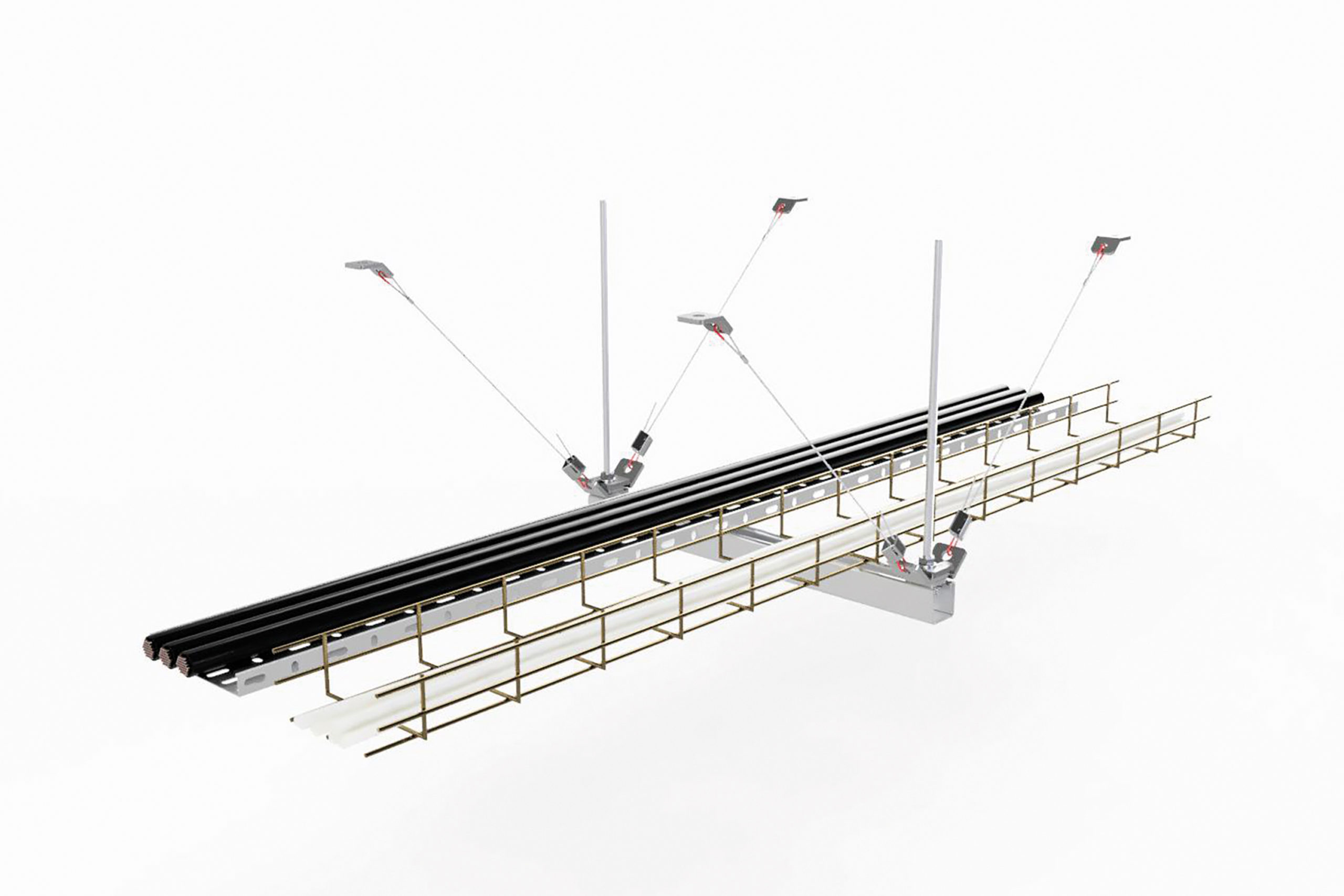
Seismic activity occurs when tectonic plates beneath the Earth’s surface shift and create vibrations that travel through the ground. These vibrations can be powerful enough to cause buildings to sway or collapse, depending on their design and construction. In regions where earthquakes are frequent, it is essential to implement seismic bracing techniques to ensure the safety and stability of structures.
One of the most common methods of bracing seismic is the use of steel braces or frames. These devices are installed within the structure to provide additional support and help dissipate the energy generated by an earthquake. By strategically placing braces throughout a building, engineers can enhance its strength and flexibility, reducing the risk of damage during a seismic event.
Another effective technique for bracing seismic is base isolation. This method involves installing a series of bearings or dampers between the foundation of a building and the ground to absorb and dissipate seismic energy. By allowing the building to move independently of the ground, base isolation can greatly reduce the impact of an earthquake on the structure.
In addition to steel braces and base isolation, engineers may also incorporate other strategies to brace seismic, such as reinforced concrete walls, cross-bracing systems, and flexible foundations. By combining these methods, they can create a comprehensive seismic design that maximizes the resilience of a building under extreme conditions.
The importance of bracing seismic cannot be overstated, especially in regions with high seismic activity. Without proper reinforcement, buildings are vulnerable to serious damage and collapse during an earthquake, putting occupants at risk of injury or death. By investing in seismic bracing, property owners and governments can protect lives and property and minimize the devastating effects of seismic events.
In recent years, several high-profile earthquakes have highlighted the importance of bracing seismic in infrastructure design. The 2011 earthquake and tsunami in Japan, the 2015 earthquake in Nepal, and the 2018 earthquake in Indonesia all caused widespread destruction and loss of life, underscoring the urgent need for effective seismic bracing measures.
In response to these disasters, engineers and architects have developed innovative seismic bracing techniques to improve the resilience of buildings and structures. Advanced computer modeling, seismic sensors, and real-time monitoring systems are now being used to assess the vulnerability of buildings and identify areas for improvement. By implementing these technologies, professionals can optimize the design and construction of structures to withstand seismic forces.
Furthermore, researchers are constantly exploring new materials and construction methods to enhance the effectiveness of seismic bracing. High-strength steel, carbon fiber composites, and self-healing concrete are just a few examples of innovative materials that are being used to reinforce buildings and make them more resistant to earthquakes. By incorporating these materials into their designs, engineers can improve the overall performance and longevity of structures in seismic zones.
In conclusion, bracing seismic is a critical aspect of infrastructure design that can save lives and prevent catastrophic damage during earthquakes. By implementing a combination of steel braces, base isolation, reinforced concrete walls, and other techniques, engineers can enhance the strength and flexibility of buildings to withstand seismic forces. As seismic activity continues to pose a threat to communities around the world, it is imperative that we prioritize seismic bracing in the design and construction of our infrastructure.